Language Development for 1–3-Year-Olds: Important Strategies Every Parent Should Know
Early language development is one of the most exciting and pivotal milestones in a child’s growth. For children aged 1 to 3 years, this period is marked by the rapid expansion of vocabulary, comprehension, and communication skills.
At Byford Child Care, we understand how vital these early years are in laying the foundation for confident communication and lifelong learning.
In this post, we’ll explore practical strategies to help nurture Language Development skills in toddlers, both at home and in our supportive childcare environment.
Why Language Development Matters:
Language Development isn’t just about speaking; it’s about thinking, socialising, expressing emotions, and making sense of the world. Between the ages of 1 and 3, children transition from simple vocalisations and first words to combining words into phrases and sentences.
By around age 2, most toddlers have a vocabulary of about 50 words and begin to join words to communicate ideas. By age 3, they may combine multiple words into meaningful sentences and follow multi‑step instructions.
Regular conversation, meaningful interaction, and responsive communication are key influences during this exciting phase.
Daily Conversations Build Language Skills:
The single most powerful way to foster language Development growth is through everyday conversation. Talking to your child throughout the day—in simple, clear, and engaging ways—provides the constant exposure to vocabulary they need.
Narrate your actions (“Now we’re putting on your blue shoes”) and describe what your child sees, hears, and experiences. This helps them link words with meaning and expands their comprehension.
Even if your toddler isn’t yet responding in full sentences, these moments reinforce language patterns and build confidence.
Remember, language development begins with exposure, and frequent engagement helps children recognise speech sounds and patterns.
Read Together Every Day:
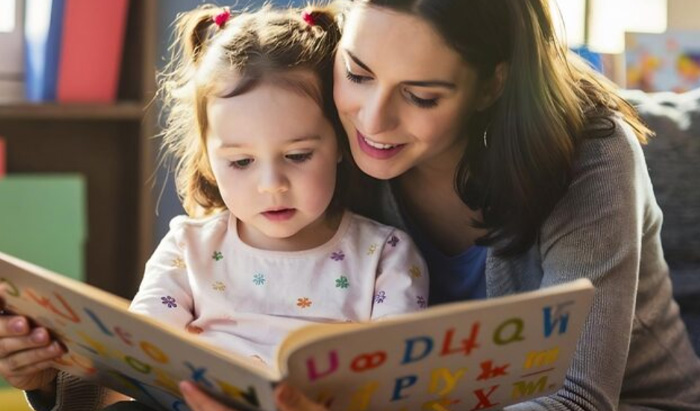
One of the most effective ways to encourage language development is through reading. At Byford Child Care, storytime is a daily activity that sparks imagination and enhances vocabulary.
We incorporate interactive storytelling, puppet shows, and group book discussions that support listening and comprehension skills.
At home, choose age‑appropriate books with colourful pictures and simple phrases. Encourage your toddler to point to images, turn pages, and repeat familiar words.
This shared reading time not only boosts vocabulary but also strengthens the emotional bond between you and your child.
Sing Songs and Use Rhymes:
Music and rhythm are powerful language tools. Songs and nursery rhymes introduce repetition, rhyme patterns, and sentence structure in ways that feel fun and engaging for toddlers. Simple melodies help children connect sounds with meanings and make language memorable.
In our centre’s music and movement sessions, children learn new vocabulary in the context of rhythm and play. At home, singing during daily routines—like meal time or bedtime—can transform ordinary moments into rich language experiences.
Interactive Play Encourages Communication:
Play is language in action. Whether it’s pretend tea parties, simple games like “Simon Says,” or naming objects during block play, interactive activities encourage toddlers to use words to express thoughts.
Face‑to‑face games—such as peek‑a‑boo or building towers together—provide natural opportunities for children to listen, respond, and attempt new words. As you play, pause to let your child try speaking and provide positive reinforcement to build confidence.
Respond and Expand Their Words:
When your child attempts a word or phrase, listen and respond thoughtfully. Instead of just repeating what they said, expand it slightly—this teaches them how to build more complex sentences.
For example, if your child says “dog,” you might reply, “Yes, the big brown dog is running!” This simple strategy shows toddlers how to connect words together in context.
Encouragement goes a long way. Celebrate their efforts, model correct pronunciation gently, and respond with enthusiasm. This reinforces that communication is rewarding and fun.
Create Language‑Rich Everyday Routines:
Language learning isn’t limited to formal activities—it happens naturally in everyday routines. Talk through shopping lists, describe objects on a walk, explain steps during meal prep, or ask open‑ended questions during play (“What do you think happens next?”).
These simple routines provide rich vocabularies and real contexts for your child to learn and practice new words.
Social Interaction Helps Language Flourish:
Interacting with peers and caregivers boosts communication skills. At Byford Child Care, our play‑based learning environments create countless opportunities for toddlers to observe and interact with others, enhancing both social and language development.
Playdates, group activities, and shared storytelling with other children expose toddlers to varied language models and give them chances to practice communication in social settings.
Encouraging language development in 1–3-year-olds is both a joy and a journey. Through everyday conversations, lively play, shared reading, and supportive interaction, you give your child the tools they need to thrive.
At Byford Child Care, we’re proud to support families and children as they build the skills that unlock confidence, curiosity, and connection in the world around them.
Ready to give your child a language‑rich early learning experience? Book a tour with us today!